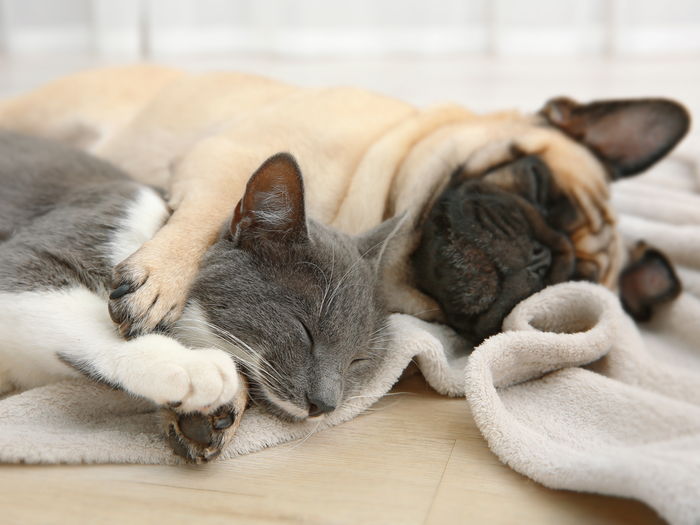
Welcome to Snuggle Season: A Guide to Keeping Your Pets Warm and Cozy in Winter
As the chilly winds blow and the temperature drops, it’s crucial to prioritise your pets’ comfort during the winter season. Just like us, our furry companions need warmth and protection from the cold. In this comprehensive guide, we will provide you with valuable tips and practical advice on how to ensure your pets stay snug and happy throughout the winter months.
Understanding Your Pet’s Winter Needs
The Effects of Cold Weather on Pets: Why It Matters
Cold weather can have a significant impact on our pets’ well-being. Exposure to low temperatures can lead to health issues such as hypothermia and frostbite. Understanding the potential risks is the first step in safeguarding your furry friends from the harsh elements.
Different Breeds, Different Needs: Recognising Individual Requirements
Each breed has its own unique characteristics and tolerances when it comes to cold weather. While some dogs may have a thick double coat, others may have a shorter, single coat that offers less insulation. Recognising your pet’s specific breed requirements will help you tailor their winter care accordingly.
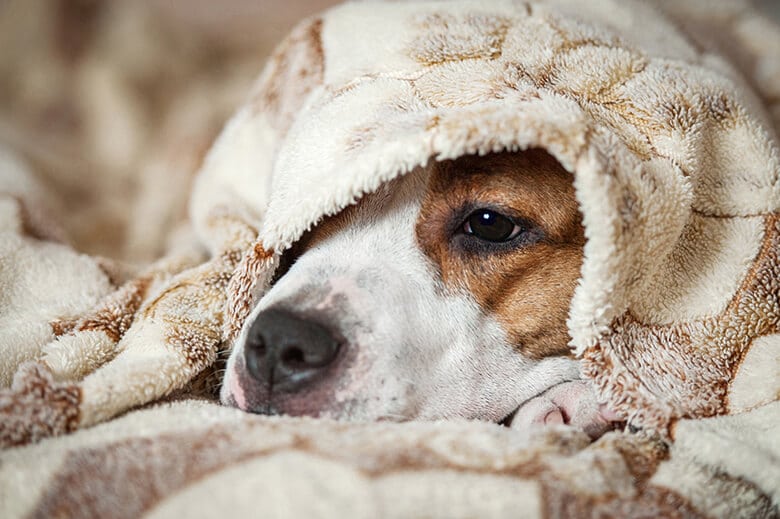
Age Matters: Catering to Young and Senior Pets
Puppies, kittens, and senior pets are more vulnerable to the cold. Their immune systems may not be as robust, and they may struggle to regulate their body temperature effectively. Providing extra care and attention to these age groups is crucial to keep them comfortable and healthy during winter.
Creating a Warm Indoor Environment
Cozy Bedding: Choosing the Right Materials for Maximum Warmth
A comfortable and warm bed is essential for your pet’s winter comfort. Opt for bedding materials that provide insulation and retain heat, such as plush blankets or thermal pet beds. These cozy spots will become their go-to retreats during the cold season.
Setting Up a Pet-Friendly Winter Den: Location, Size, and Accessories
Identify a quiet and draft-free area in your home to create a winter den for your pet. Consider factors like proximity to a heat source and adequate space for them to stretch out comfortably. Enhance their den with soft cushions, blankets, and maybe even a favourite toy or two.
Utilising Heating Solutions: Electric Blankets, Heating Pads, and Radiant Heaters
For additional warmth, you can incorporate heating solutions into your pet’s environment. Electric blankets or heating pads designed specifically for pets can provide a cozy spot for them to relax. However, always monitor their use and ensure they have the option to move away from the heat if they become too warm.
Creating Safe and Warm Hideouts: DIY Ideas for Winter Retreats
Get creative and craft snug hideouts for your pets. Convert a cardboard box or an unused cabinet into a cozy haven. Line the space with blankets or old sweaters to provide insulation. These DIY retreats will give your pets a sense of security while keeping them warm.
Dressing Up Your Pet for Winter
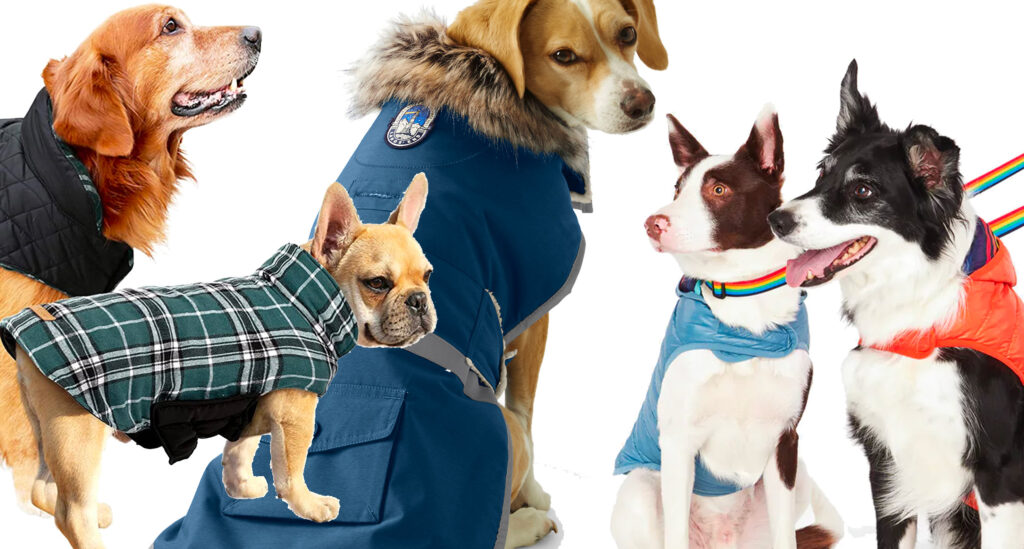
Winter Wardrobe Essentials: Coats and Sweaters
Dressing your pets in appropriate winter attire can provide an extra layer of insulation. Coats and sweaters made from warm, insulating materials are great options, especially for short-haired breeds or smaller animals. Ensure the clothing fits properly and does not restrict their movement.
Sizing Matters: Ensuring a Proper Fit for Maximum Comfort
When selecting winter clothing for your pet, proper sizing is crucial. A snug fit will ensure maximum warmth and comfort without causing any discomfort. Take accurate measurements of your pet’s body and consult size charts provided by manufacturers to find the perfect fit.
Fashion Meets Function: Stylish and Practical Winter Outfit Ideas
Don’t let your pet’s winter wardrobe be solely about function. Explore stylish options that combine fashion and functionality. From trendy patterns to adorable accessories, you can find winter outfits that make your pets look dapper while keeping them warm. Don’t forget to attach a Nova Pets ID tag to their attire to ensure their safety.
Maintaining Hygiene in Winter
Battling Dry Skin: Tips for Moisturising Your Pet’s Coat
Winter weather can lead to dry, flaky skin in pets. To combat this, incorporate moisturising products into their grooming routine. Use pet-friendly moisturising shampoos, conditioners, or sprays to keep their coat and skin hydrated and healthy.
Bathing Dos and Don’ts: Frequency and Drying Techniques
During winter, it’s important to strike a balance between keeping your pets clean and avoiding excessive bathing. Frequent bathing can strip away essential oils from their skin, leading to dryness. When bathing is necessary, opt for lukewarm water and ensure thorough drying to prevent them from getting chilled.
Paw Care 101: Protecting Your Pet’s Paws from Harsh Winter Conditions
Paws are vulnerable to the elements during winter. Cold pavement and frost can cause discomfort and even injuries. Protect their paws by using pet-safe paw balms or waxes, and consider investing in booties to provide extra insulation and prevent contact with harmful substances.
Dealing with Winter Shedding: Grooming Strategies
Contrary to popular belief, shedding is not exclusive to warmer months. Many pets experience increased shedding during winter due to changes in light and temperature. Regular brushing helps remove loose fur and keeps their coat in good condition. Additionally, a healthy diet rich in omega-3 fatty acids can promote a healthier coat and minimise shedding.
Feeding for Winter Health
Adjusting the Diet: Energy Requirements and Nutritional Supplements
Pets may not feel as thirsty during winter, but adequate hydration remains crucial. Provide fresh water at room temperature to encourage them to drink. Consider using pet water fountains or warming bowls to prevent water from freezing in cold temperatures.
Hydration Matters: Encouraging Drinking in Cold Weather
Pets may not feel as thirsty during winter, but adequate hydration remains crucial. Provide fresh water at room temperature to encourage them to drink. Consider using pet water fountains or warming bowls to prevent water from freezing in cold temperatures.
Treats and Snacks: Warming Recipes and Healthy Options
Treat your pets to some winter-themed delights! Explore warming treat recipes that incorporate ingredients like pumpkin, sweet potatoes, or bone broth. Ensure the treats are safe and suitable for your pet’s specific dietary needs.
Winter Exercise and Mental Stimulation

Indoor Activities: Fun and Engaging Exercises to Keep Your Pet Active
When outdoor activities are limited, it’s important to keep your pets mentally and physically stimulated indoors. Engage them in interactive games, hide-and-seek, or puzzle toys to keep their minds sharp and prevent boredom. Schedule regular play sessions to ensure they get sufficient exercise.
Mind Games and Puzzle Toys: Stimulating Your Pet’s Brain during Indoor Days
Puzzle toys are excellent tools to keep your pets mentally engaged and entertained. They provide a challenge that encourages problem-solving and cognitive development. Invest in a variety of puzzle toys suitable for your pet’s size and skill level.
Cold Weather Outdoor Adventures: Safety Tips and Exciting Ideas.
While outdoor activities may require additional precautions during winter, they are still possible with the right safety measures. Plan exciting adventures such as winter hikes or snow play sessions, but be mindful of the temperature, paw protection, and any potential hazards. Don’t forget to attach a Nova Pets ID tag to your pet’s collar before heading out to ensure their identification and safety.
Preventing Cold-Related Health Issues
Recognising Hypothermia in Pets: Signs, Treatment, and Prevention
Hypothermia can be a serious condition during winter. Learn to identify the signs, such as shivering, lethargy, and difficulty walking. If you suspect your pet is experiencing hypothermia, take immediate steps to warm them up gradually and seek veterinary assistance. Preventing exposure to extreme cold is the best way to avoid this condition.
Avoiding Frostbite: Protecting Sensitive Areas from Extreme Cold
Frostbite occurs when tissues freeze due to prolonged exposure to cold temperatures. Ears, paws, and tails are particularly vulnerable. Limit your pet’s time outdoors in extreme cold and provide them with adequate shelter and protective gear. Monitor their well-being closely to prevent frostbite.
Common Winter Hazards: Antifreeze, Ice Melts, and Toxic Plants
Winter brings its own set of hazards, including antifreeze and ice melts. These substances can be toxic to pets if ingested. Ensure all chemicals are stored securely and wipe your pet’s paws and belly after walks to remove any harmful substances. Additionally, be cautious of winter plants like poinsettias and Fire sticks, which can be poisonous to pets if ingested.
Traveling with Pets in Winter
Safe and Warm Car Rides: Preparing the Vehicle and Proper Restraints
If you’re traveling with your pets during winter, ensure their safety and comfort in the car. Prepare the vehicle by checking the heating system and providing cozy bedding. Use appropriate restraints like pet seat belts or crates to secure them during the journey.
Winter Vacation Tips: Accommodations and Activities for Pet-Friendly Destinations.
Planning a winter getaway? Research pet-friendly accommodations and destinations that offer winter activities suitable for pets. Whether it’s a snowy retreat or a cozy cabin, choose locations where your pets can join in the fun and stay warm.
Travel Essentials: Packing for Your Pet’s Comfort and Well-being.
When traveling, pack essential items to keep your pet comfortable and cared for. Bring their favourite bedding, food, treats, toys, and any necessary medications. Don’t forget to attach a Nova Pets ID tag to their collar, which includes up-to-date contact information.
Emergency Preparedness for Winter
Preparing for Power Outages: Backup Heat Sources and Supplies
Winter storms can sometimes cause power outages, leaving you without heat. Prepare for such emergencies by having backup heat sources, such as portable heaters or a generator. Ensure you have an ample supply of blankets, extra food, water, and other essentials for both you and your pets.
Winter Storm Safety: Evacuation Plans and Emergency Kits
In areas prone to severe winter storms, have a well-thought-out evacuation plan in place. Prepare an emergency kit with essential items for your pets, including food, medications, blankets, and identification documents. Familiarise yourself with nearby pet-friendly shelters or accommodations in case of evacuation.
Contacting Emergency Veterinary Services: 24/7 Care during Extreme Weather
During winter, extreme weather conditions may require immediate veterinary assistance. Keep a list of emergency veterinary clinics and their contact information readily available. Be aware of their hours of operation and any specific protocols for emergencies during winter.
In conclusion, Snuggle Season is a time to prioritize your pets’ warmth and comfort during the colder months. By understanding their individual needs, creating a warm indoor environment, dressing them appropriately, maintaining hygiene, providing proper nutrition, engaging in stimulating activities, preventing cold-related health issues, and being prepared for emergencies, you can ensure that Snuggle Season becomes a cozy and enjoyable time for your beloved pets. Implement these tips and make winter a season of warmth, love, and snuggles for your furry friends.